Understanding Skin Irritation Tests: How They Impact Cosmetic Safety

The Importance of Skin Irritation Tests
When it comes to cosmetics, safety is a top priority for both manufacturers and consumers. Skin irritation tests play a crucial role in ensuring that beauty products are safe for use. These tests are designed to identify any adverse reactions that a product might cause, protecting consumers from potential harm.
Skin irritation tests are especially important given the increasing number of new ingredients and formulations entering the market. By conducting these tests, manufacturers can confidently offer products that are both effective and safe, maintaining trust and transparency with their customers.
What Are Skin Irritation Tests?
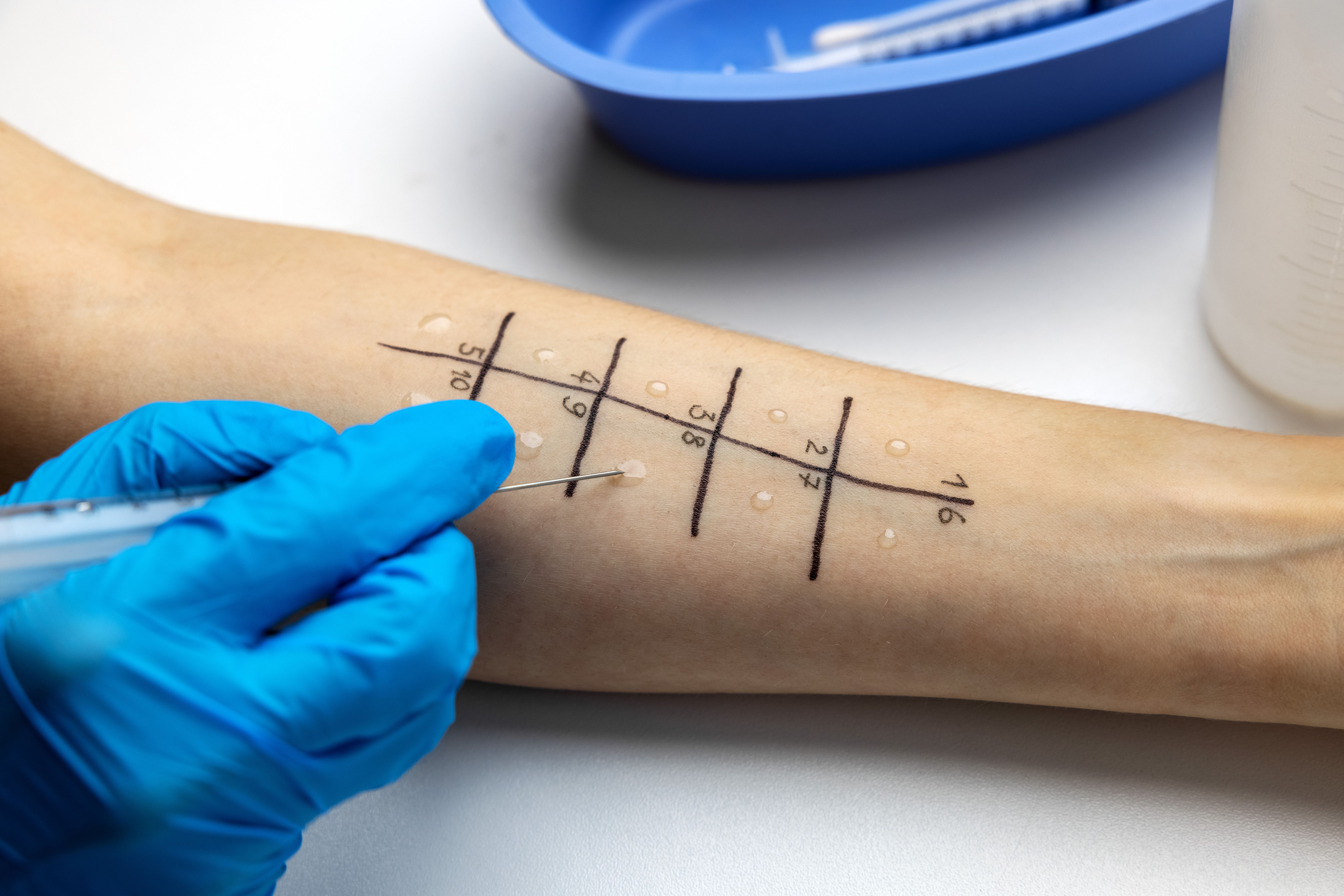
Skin irritation tests are a series of assessments used to determine whether a cosmetic product or its ingredients can cause irritation when applied to the skin. These tests are typically performed in a controlled laboratory setting, using methods that replicate how the product would be used by a consumer.
The primary goal of these tests is to measure the potential of a product to cause redness, swelling, or other signs of irritation. This information helps manufacturers make informed decisions about product formulation, ensuring that only safe ingredients are included.
Types of Skin Irritation Tests
There are several types of skin irritation tests commonly used in the cosmetic industry:
- Patch Tests: Small amounts of the product are applied to a patch, which is then placed on the skin. This method helps identify any local reactions.
- Draize Test: Although less common today due to ethical considerations, this test involves applying the product directly to the skin of an animal, typically a rabbit.
- In Vitro Tests: These tests use synthetic skin models or cultured cells to assess irritation potential without involving live subjects.

The Role of Regulatory Bodies
Regulatory bodies like the U.S. Food and Drug Administration (FDA) and the European Medicines Agency (EMA) set guidelines and standards for skin irritation testing. These organizations ensure that manufacturers adhere to strict protocols for safety assessments.
By enforcing these regulations, such bodies help maintain consumer confidence in cosmetic products. They also encourage innovation by providing a framework within which companies can develop new and safer products.
Ethical Considerations
As awareness of animal welfare grows, there has been a significant shift towards more ethical testing methods. Many companies now prioritize alternative approaches, such as in vitro tests, which do not involve live animals.

Impact on Product Development
Understanding the results of skin irritation tests allows cosmetic companies to refine their formulations. By identifying potentially irritating ingredients early in the development process, manufacturers can adjust their products accordingly, reducing the risk of adverse reactions among consumers.
This proactive approach not only enhances product safety but also boosts consumer satisfaction and brand reputation. Companies that invest in thorough testing and clear communication about their safety protocols often stand out in the competitive beauty market.
Conclusion
Skin irritation tests are an integral part of the cosmetic industry, ensuring that products are safe for consumer use. By understanding and implementing these tests, manufacturers can protect their customers while fostering trust and loyalty. As technology and ethics continue to evolve, so too will the methods used to assess cosmetic safety, paving the way for more innovative and responsible beauty solutions.