Top Trends in Cosmetic Testing: Innovations and Best Practices


The world of cosmetic testing is evolving rapidly, driven by technological advancements and increased consumer awareness. Companies are striving to enhance the safety and efficacy of their products while adhering to ethical standards. This post explores the top trends in cosmetic testing, highlighting the latest innovations and best practices.
Embracing Non-Animal Testing Methods
One of the most significant shifts in the cosmetic industry is the move towards non-animal testing methods. With growing ethical concerns and regulatory changes, companies are investing in alternative testing methods that do not involve animals. These methods include in-vitro testing, computer modeling, and human skin models, offering reliable and humane alternatives.

In-Vitro Testing: A Game Changer
In-vitro testing involves using biological assays and cell cultures to assess the safety and effectiveness of cosmetic ingredients. This method provides valuable insights into how products interact with human cells, offering a more accurate prediction of potential skin reactions. It's an essential component of modern cosmetic testing strategies.
Computer Modeling and Simulation
Advanced computer modeling and simulation techniques are enabling researchers to predict how ingredients will behave in real-world scenarios. By simulating human biology, these technologies can identify potential risks and optimize formulations, enhancing product safety and performance.

Advancements in Personalized Testing
Personalization is becoming a cornerstone of the beauty industry, and cosmetic testing is no exception. Companies are leveraging data analytics and genetic testing to create customized products tailored to individual needs. This trend not only improves consumer satisfaction but also boosts product efficacy.
Genetic Testing for Tailored Solutions
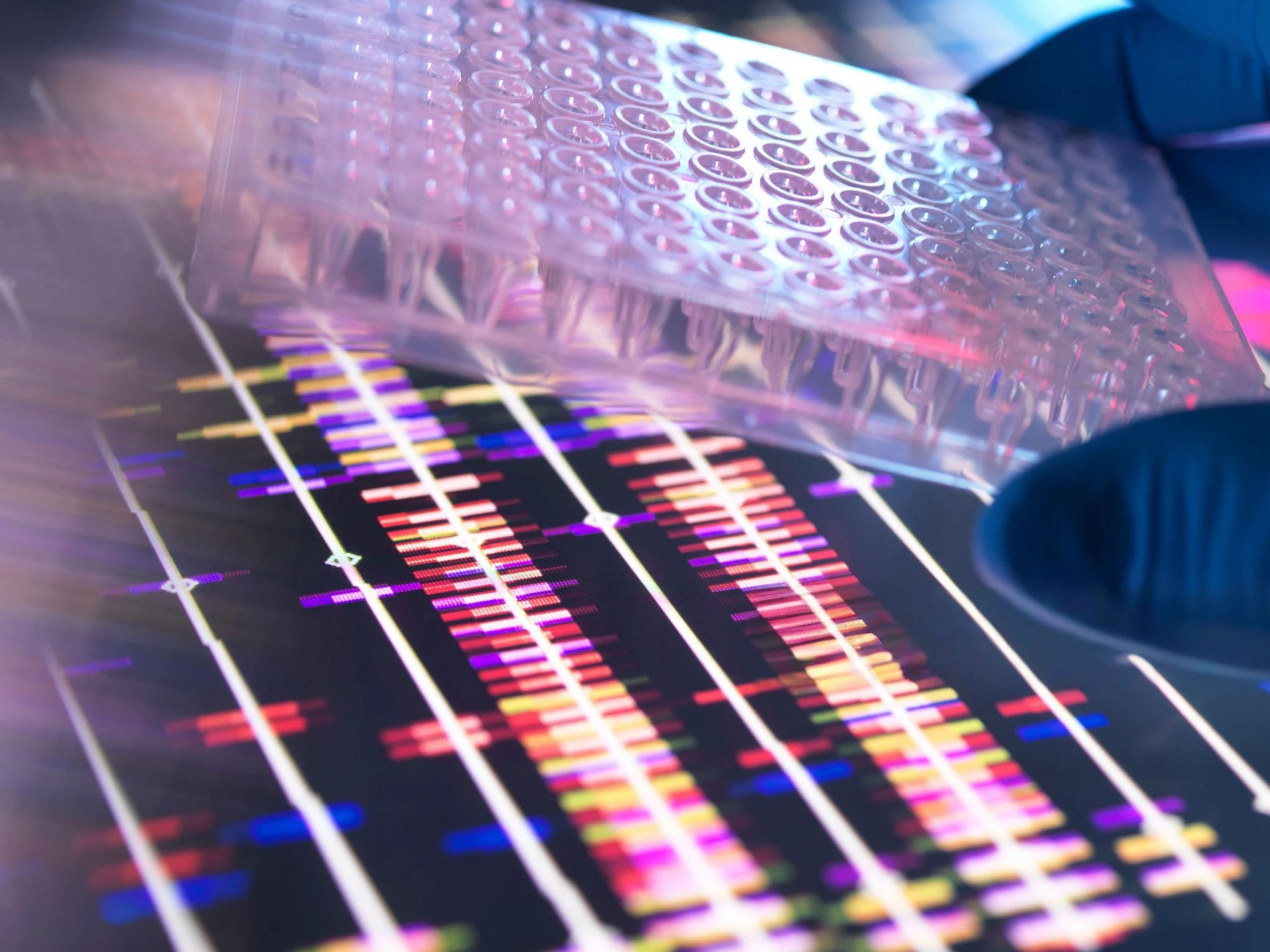
Genetic testing allows for a deeper understanding of individual skin types and conditions. By analyzing genetic markers, companies can develop products that cater specifically to a person's unique skin characteristics, offering more effective solutions.
Data-Driven Insights
Utilizing big data and analytics, cosmetic companies can gather insights into consumer preferences and skin care needs. This information helps in developing products that align with consumer demands, ensuring a higher success rate in the market.
Regulatory Compliance and Sustainability
As regulations become more stringent, companies are focusing on compliance and sustainability. This involves adhering to global standards and ensuring that products are environmentally friendly from production to packaging.
Eco-Friendly Practices
Brands are adopting eco-friendly practices by using sustainable ingredients and reducing waste. This includes biodegradable packaging and cruelty-free testing methods, aligning with the growing consumer demand for green products.
By staying ahead of these trends, cosmetic companies can continue to innovate while maintaining ethical and sustainable practices. The future of cosmetic testing is not only about safety and efficacy but also about caring for the planet and its inhabitants.