From Lab to Shelf: The Journey of Clinically Tested Cosmetics


Introduction to the Cosmetic Journey
In the vibrant world of cosmetics, each product on the shelf represents a culmination of scientific research, rigorous testing, and creative innovation. Understanding the journey of clinically tested cosmetics from lab to shelf can enhance consumer appreciation for the products they use daily.

The Research and Development Phase
The journey begins in the research and development (R&D) labs, where scientists and formulators collaborate to create a product that meets specific consumer needs. This phase involves exploring new ingredients, developing formulations, and ensuring safety and efficacy.
Researchers focus on sourcing high-quality ingredients that are both effective and safe. The formulation process is meticulous, often requiring multiple iterations to achieve the desired results.
Importance of Innovation
Innovation is crucial in this phase. By incorporating cutting-edge technology and novel ingredients, brands can offer unique benefits that set their products apart in a competitive market.
Clinical Testing and Safety Assessments
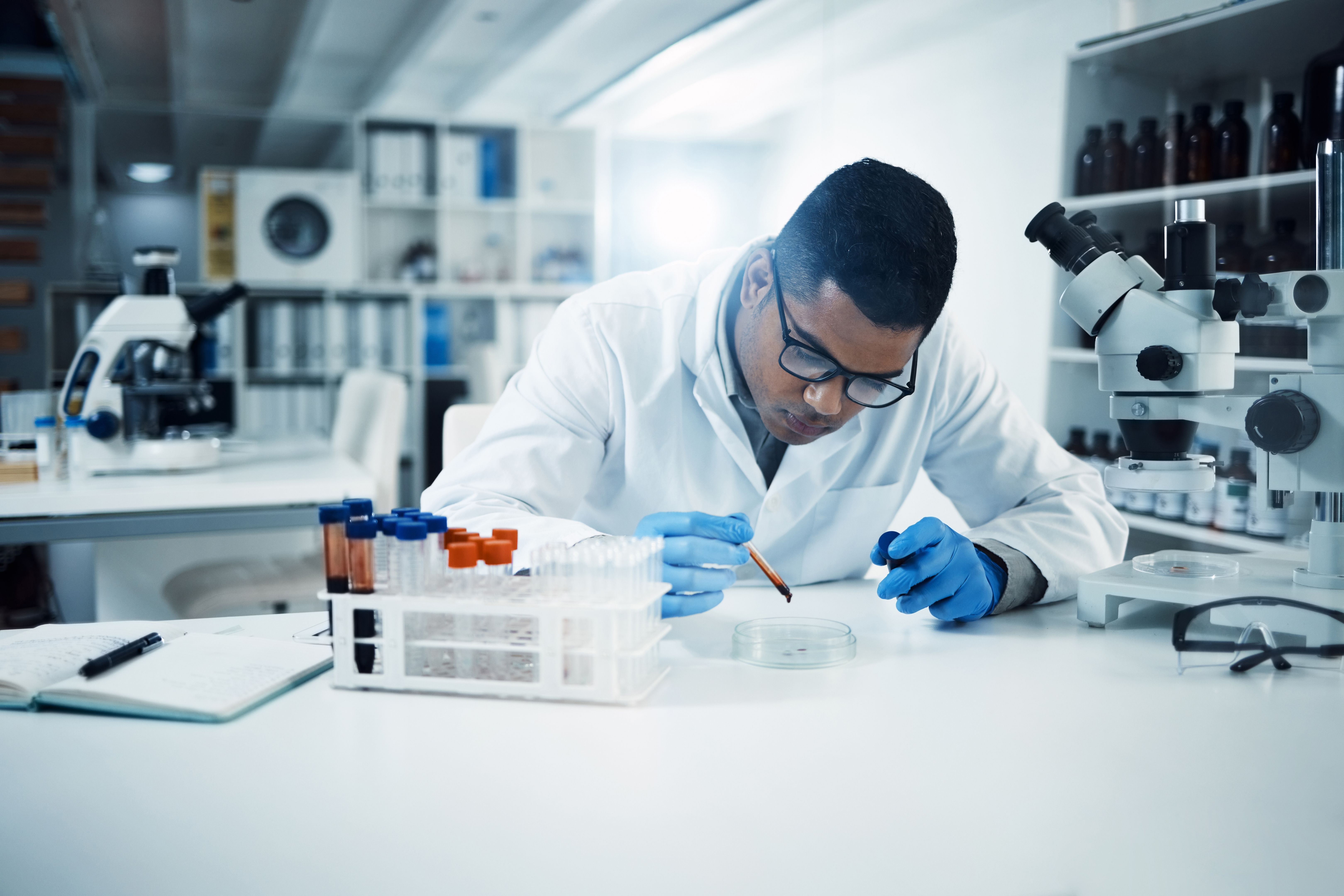
Once a formulation is developed, it undergoes extensive clinical testing to ensure it is safe for consumer use. This process includes various stages of testing, such as:
- In-vitro testing: Laboratory tests on cells and tissues.
- In-vivo testing: Trials on human volunteers.
These tests are essential to identify any potential irritants or allergens, ensuring that the product is safe for a wide range of skin types.
Compliance and Regulations
Cosmetic products must comply with strict regulations set by governing bodies such as the FDA or the European Medicines Agency. These regulations ensure that all claims are substantiated and that the products meet safety standards.
From Manufacturing to Packaging
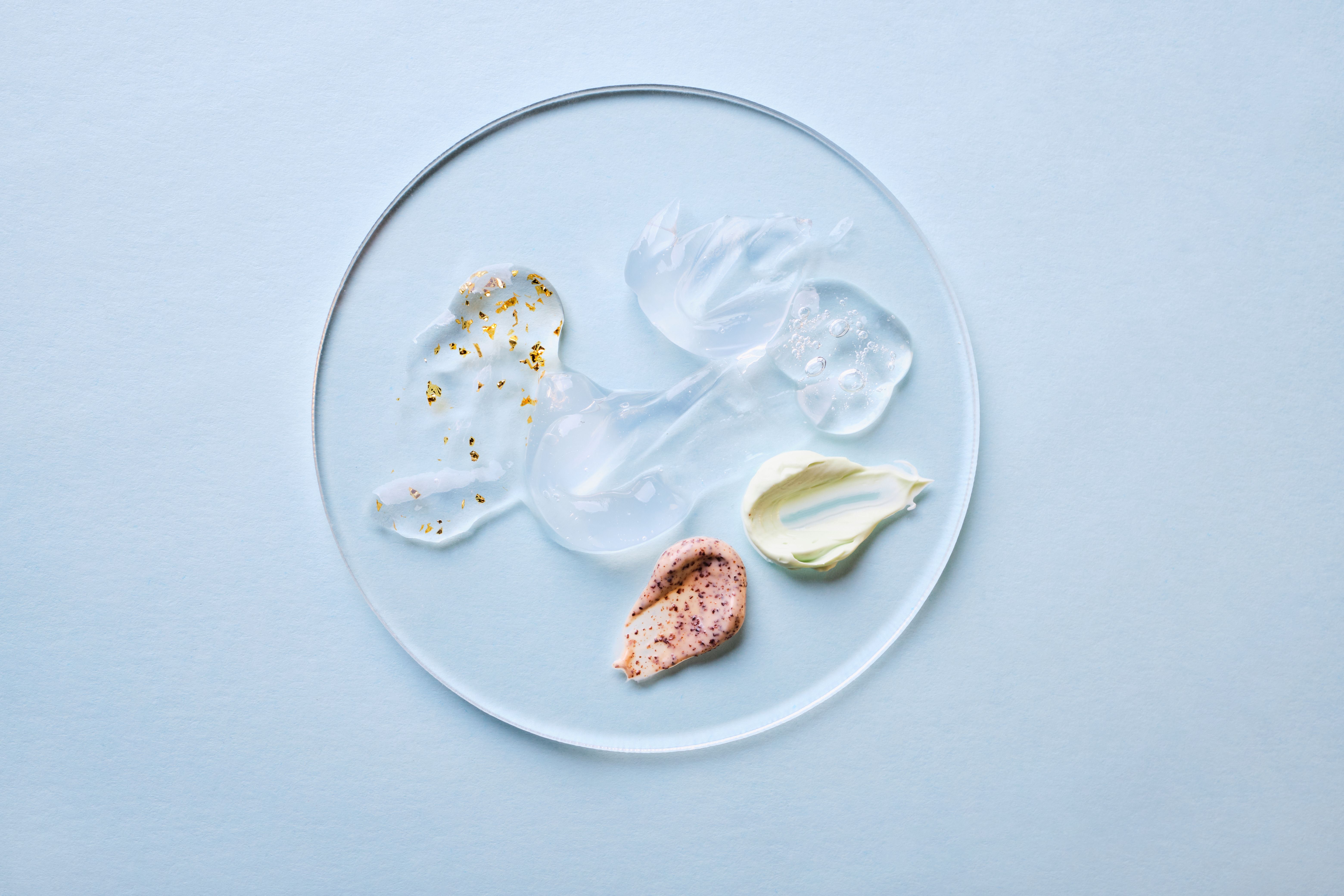
After passing clinical tests, the product moves to the manufacturing phase. Here, consistency and quality control are paramount. Each batch must meet stringent standards to ensure uniformity and reliability.
Packaging plays a significant role in this phase. It must not only be aesthetically pleasing but also functional and sustainable. Many brands are now opting for eco-friendly packaging to reduce environmental impact.
Marketing and Consumer Education
With the product ready for market, the focus shifts to marketing strategies. Educating consumers about the benefits and features of the product is crucial for building trust and brand loyalty.
The Shelf-Ready Product
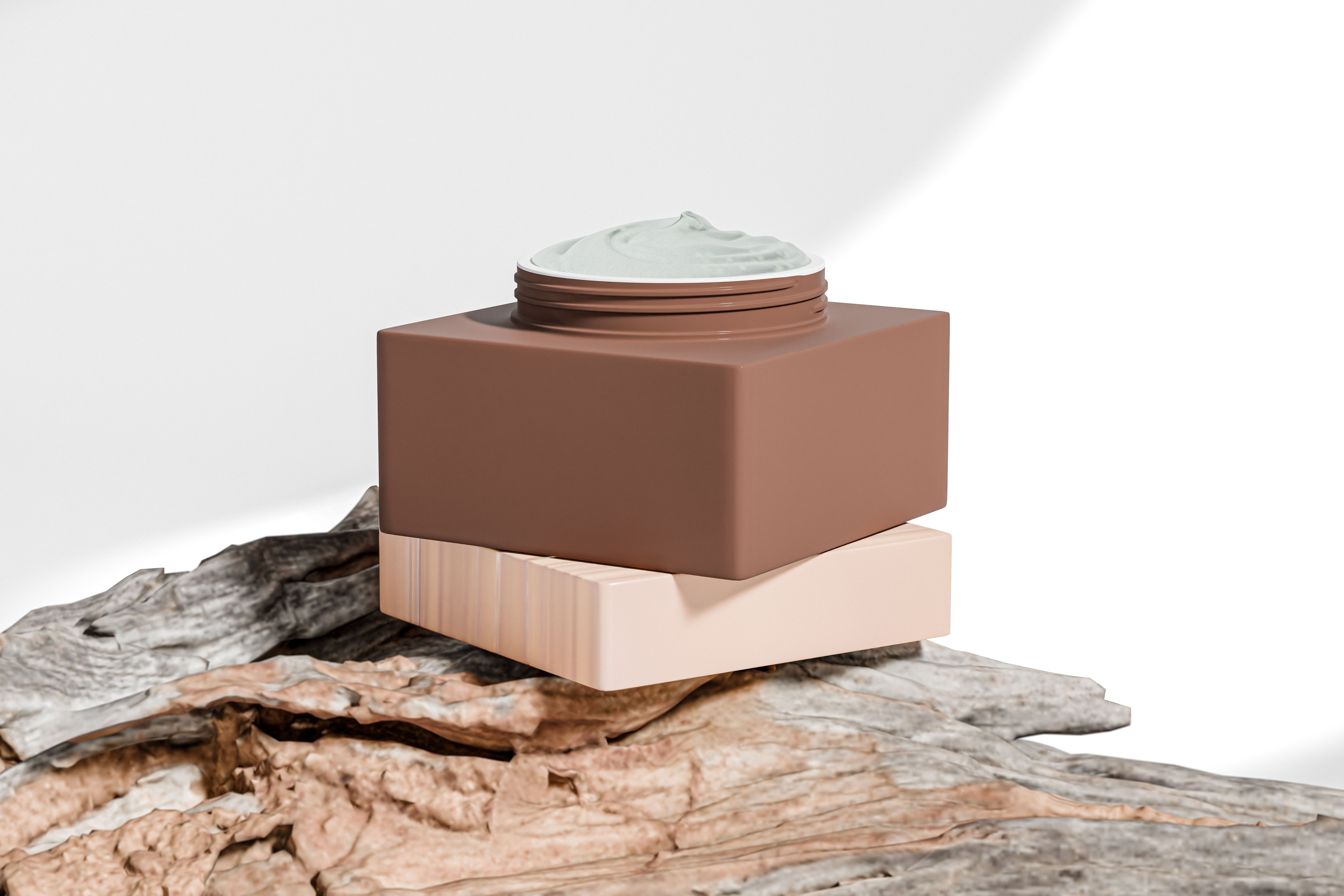
Finally, the product arrives on the shelves, ready for consumers to experience its benefits. The journey from lab to shelf is a testament to the dedication and expertise of the teams involved, ensuring that each product is safe, effective, and innovative.
By understanding this journey, consumers can make informed choices, appreciating the complex processes that bring their favorite cosmetics to life.