A Guide to Seasonal Skincare: What Cosmetic Efficacy Studies Reveal


As the seasons change, so should your skincare routine. The transition from warm to cold weather, or vice versa, can have significant effects on your skin. Understanding what cosmetic efficacy studies reveal about seasonal skincare can help you maintain a healthy and radiant complexion all year round.
The Impact of Seasonal Changes on Skin
Our skin is highly responsive to environmental changes. During colder months, the drop in humidity and temperature can lead to dryness and irritation. Conversely, warmer months often bring increased humidity, which can result in oiliness and breakouts. Recognizing these shifts is the first step towards effective seasonal skincare.
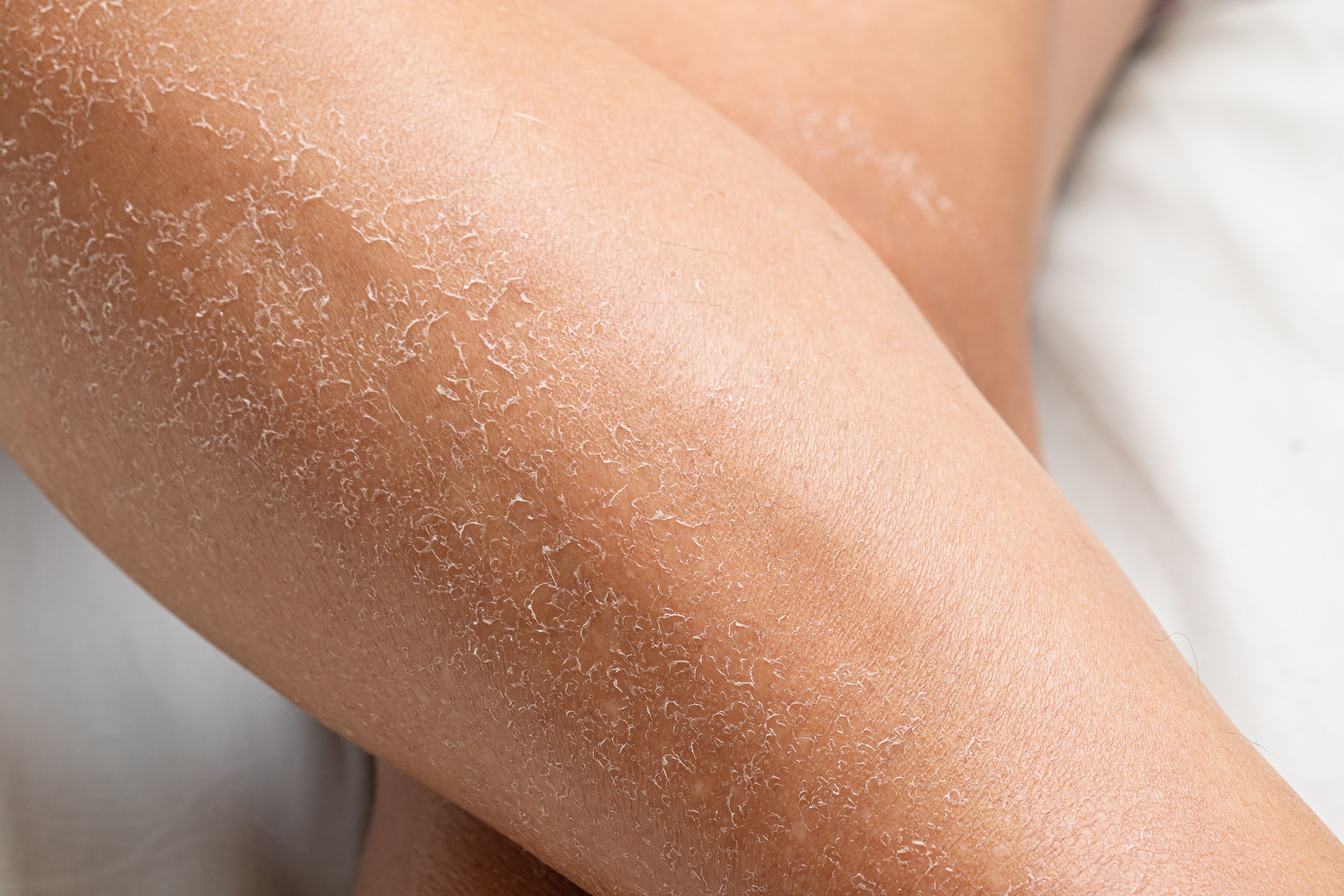
Winter Skincare: Hydration is Key
Winter demands a focus on hydration. Studies show that using products with ingredients like hyaluronic acid and glycerin can help retain moisture. It's also beneficial to incorporate a thicker moisturizer to protect the skin barrier against harsh winds and cold temperatures.
- Use a hydrating cleanser to avoid stripping natural oils.
- Incorporate a face oil or serum for added moisture.
- Consider a humidifier to maintain indoor humidity levels.
Spring and Summer: Balancing Act
With the arrival of spring and summer, the focus shifts to balancing oil production and protecting against UV damage. Sunscreen becomes a non-negotiable part of your routine, with studies emphasizing the importance of broad-spectrum SPF 30 or higher.
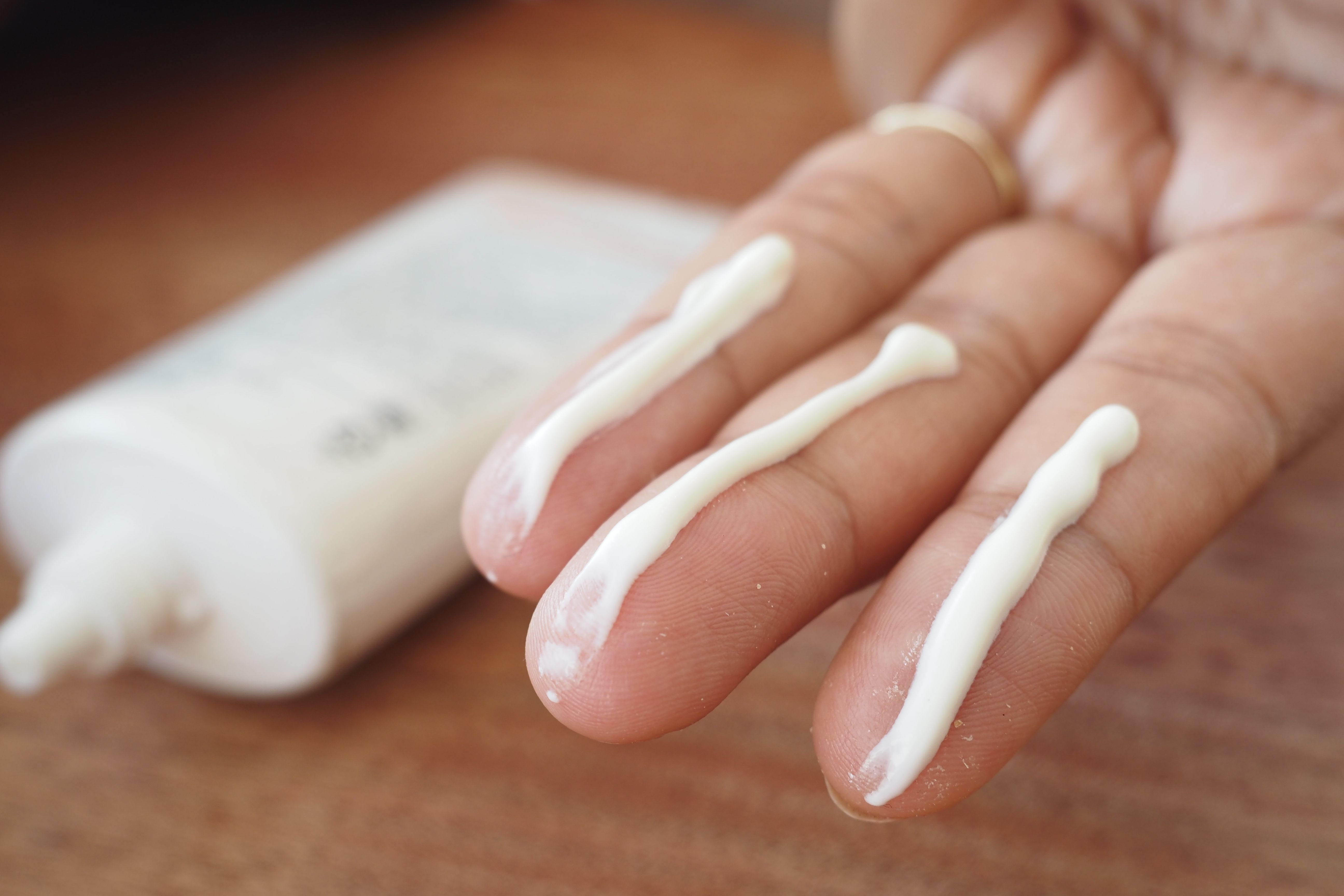
Lightweight Products for Warmer Weather
As temperatures rise, opt for lightweight, non-comedogenic products. Gel-based moisturizers and foaming cleansers can help control oil without clogging pores. Ingredients like niacinamide can be beneficial for reducing oil production and soothing inflammation.
- Switch to a lighter moisturizer to prevent clogging pores.
- Incorporate antioxidants like vitamin C to protect against environmental damage.
- Reapply sunscreen every two hours when outdoors.
Fall: Transition and Repair
Fall is the ideal time to repair summer damage and prepare for winter. Exfoliation becomes crucial to remove dead skin cells and promote cell turnover. Studies recommend using gentle chemical exfoliants like AHAs or BHAs to avoid irritation.

Rebuilding and Strengthening
Focus on rebuilding the skin barrier with nourishing ingredients such as ceramides and peptides. This transitional period is perfect for introducing retinoids, which can improve texture and tone while reducing fine lines.
In conclusion, adapting your skincare routine to the seasons can lead to healthier, more resilient skin. By understanding and applying findings from cosmetic efficacy studies, you can make informed choices that cater to your skin's unique needs throughout the year. Embrace the changing seasons with confidence and a well-curated skincare regimen.